

Blog
Get Pay Right on ADP Workforce Now® Next Gen™
Bringing trusted compensation intelligence and seamless planning to even more ADP users.
Written by Salary.com Staff
December 26, 2025

Emotional compensation plays an important role in addressing the hidden scars left by accidents or negligence, offering financial support for the mental toll on a victim's life. This type of relief goes beyond visible injuries, helping people cope with issues like anxiety, depression, and insomnia that can disrupt daily life long after physical injuries heal.
Study from the Cleveland State University Law Review highlights how sensitive temperaments can influence claims for intentional infliction of emotional distress, emphasizing the need for strong evidence in such cases. Additionally, a report from the National Institutes of Health discusses psychological distress in high-stress professions, underscoring the long-term impacts that warrant compensation.
This guide is designed to help employers understand and apply emotional compensation effectively in their organizations. By integrating emotional distress damage, you can create a supportive environment that reduces instances of emotional suffering and promotes overall job satisfaction.
Emotional compensation means the intangible benefits employers offer to satisfy workers' emotional needs, boosting morale and loyalty beyond salary or economic damages. It's a holistic approach to non-economic damages like recognition and support, countering the subjective nature of suffering.
This strategy not only improves job satisfaction but also acts as a buffer against potential emotional distress damages, ensuring that minor issues don't escalate into major concerns affecting productivity.
Core elements: Includes flexibility to ease daily life strains and wellness perks to combat depression or insomnia.
Business edge: Helps calculate emotional distress damages avoidance by addressing psychological impact early.
To manage compensation strategies effectively, tools like Compensation Software from Salary.com can help. This platform provides data-driven insights on pay and benefits, making it easier for organizations to ensure fairness, competitiveness, and support for emotional compensation through structured pay data.
Emotional compensation helps employers build resilient teams and avoid personal injury claims tied to unmanaged stress. With mental health more important than ever, investing in emotional support can make your organization a more attractive workplace for top talent.
Cuts turnover costs: Employees feeling valued via emotional compensation stay longer, dodging victim's life disruptions like panic attacks or physical symptoms. For modeling merit increases that enhance emotional value, Merit Modeling simulates pay adjustments based on performance. It offers forecasting to ensure fair rewards that boost loyalty.
Lowers legal exposure: Prevents compensation for emotional distress suits, where defendant's negligence or else's negligence leads to personal injury attorney involvement.
Mitigates physical pain: Stress from poor environments causes physical injuries, like those in a car accident due to fatigue; emotional distress damages prevent this.
Supports family member balance: Eases bystander cases impacts, ensuring no death or physical injury from overwork.
Improves reputation: Attracts talent seeking free consultation-style employer care, reducing proving emotional distress battles.
In most personal injury cases, noneconomic damages from emotional trauma balloon expenses-emotional compensation keeps your firm aware and proactive. Moreover, by focusing on emotional distress damage, employers can promote innovation, as happier teams are more creative and collaborative, ultimately contributing to sustainable business growth in competitive markets.
Emotional compensation shines through real perks that heal wounds before they fester into claims, protecting employers from personal injury lawsuit headaches. These examples demonstrate how simple initiatives can yield significant returns in employee loyalty and operational efficiency.
Mental health days: Combat depression and anxiety, avoiding medical diagnosis needs and expert testimony in court.
Peer recognition apps: Ease mental anguish, countering intentional infliction vibes in toxic teams.
Gym memberships: Tackle physical symptoms of stress, preventing visible injuries or medical treatment claims.
Crisis counseling: For traumatic event survivors, like accident victims, reducing post traumatic stress disorder risks.
Sabbaticals: Restore person's life balance, minimizing insomnia or panic attacks that lead to lost wages.
Diversity training: Prevents discrimination-fueled emotional distress, dodging state laws on bystander claims.
Implementing such perks also builds a culture of trust, where employees are more likely to communicate openly about challenges, preventing small issues from becoming larger problems that require intervention from mental health professionals.
For maintaining competitive pay to support perks, Competitive Compensation evaluates market positioning. It offers strategies to stay ahead in talent attraction with fair packages.
Use these steps to apply emotional compensation so you can avoid common personal-injury pitfalls and get fair compensation. This approach also makes it easy for employers to add these benefits into their current systems.
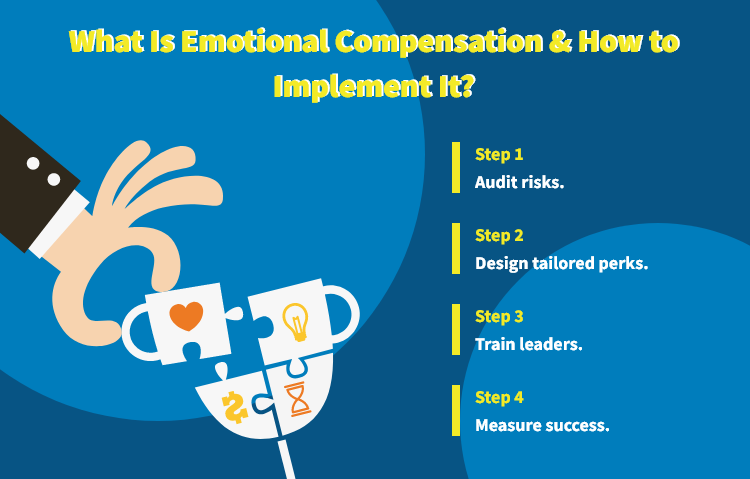
Review workplace for defendant's conduct triggers like overload causing physical pain or suffering. Use surveys to spot several factors like circumstances leading to distress, then prioritize perks that address these directly.
Craft benefits addressing specific circumstances, such as EAPs for medical professional referrals to handle evidence presented of injury. Budget for financial compensation equivalents in noneconomic damages, ensuring cost-effectiveness.
Equip managers to spot general rule signs of severe emotional suffering, like daily life interference, and intervene before personal injury lawyer calls. Include free consultation sessions on state laws to build awareness.
Track metrics to determine ROI, like reduced claims or higher NPS. Adjust based on evidence, ensuring emotional distress damages evolves with victim feedback and adapts to changing workforce needs.
Here are some FAQs for better understanding:
Yes, victims can seek compensation for emotional distress in personal injury lawsuits if tied to defendant's negligence, often requiring a personal injury attorney to prove psychological impact. Insurance adjusters scrutinize medical documentation for non-economic damages like therapy costs, but success depends on robust evidence.
Emotional salary is synonymous with emotional compensation, encompassing perks that fulfill life needs beyond pay, such as autonomy to prevent suffering. It ensures compensation covers distress without formal claims, promoting a balanced and fulfilling work experience.
Evidence for an emotional distress claim includes medical documentation, expert testimony from mental health professionals, and proof of physical symptoms like insomnia or depression from the traumatic event. Factors like severity, defendant conduct, and impact on daily life help determine fair compensation in personal injury cases.

The latest research, expert advice, and compensation best practices all in one place.
Blog
Bringing trusted compensation intelligence and seamless planning to even more ADP users.

Blog
Learn how to train managers for effective pay conversations and build trust.

Blog
Total rewards package flexibility lets employees choose what matters - pay, perks, and benefits tailored to their needs.